Residential and commercial concrete work
Concrete Contractor in Columbus, Ohio
Driveways, patios, walls, foundations and commercial flatwork, built from the subgrade up. Ask for a free estimate.
Serving Columbus, Dublin, Hilliard, Westerville, Grove City, Gahanna and 25 more towns
Get a Free Concrete Estimate
Tell us what you want built, where, and roughly how big. The contractor calls you back to talk it over and set up a site visit.
- Free estimates
- Residential and commercial
- Base and joints in writing
- Columbus and 31 towns
A few details now saves a phone call later. 👇
Good concrete is decided before the truck shows up
Most of a concrete job happens before any concrete arrives. The old slab or sod comes out. The dirt underneath gets dug to depth. A gravel base goes in and gets compacted, forms get set to grade, and the steel goes in on chairs. The pour itself takes a few hours. Whether the slab stays flat, sheds water and cracks only where it should was settled in the days before that. That is how we look at every driveway, patio, walk, wall, foundation and commercial pad we price across Columbus.
Central Ohio makes the prep matter more. The ground here is mostly glacial clay. It soaks up water and swells, then shrinks back when it dries. Winters bounce above and below freezing over and over, so any water sitting in or under a slab keeps expanding and letting go. A slab poured on soft clay with no base and no slope will tell on itself within a couple of winters. Air in the mix, a firm gravel base, real drainage and joints cut at the right spacing are the answers. None of them are exotic. They just have to be done every time.
This site is laid out the way a superintendent would walk you around a job. Each service page explains how that kind of work gets built and what to ask before you sign with anyone, us included. When you are ready, send the form or call. The contractor who does the work calls you back, talks through the project and sets a time to come measure. The estimate is free, and it should spell out thickness, base, reinforcement and joints in writing, so you know exactly what you are paying for.
Concrete work we do
What we pour, set and build
Six kinds of work, each with its own page on how it gets built and what to check.
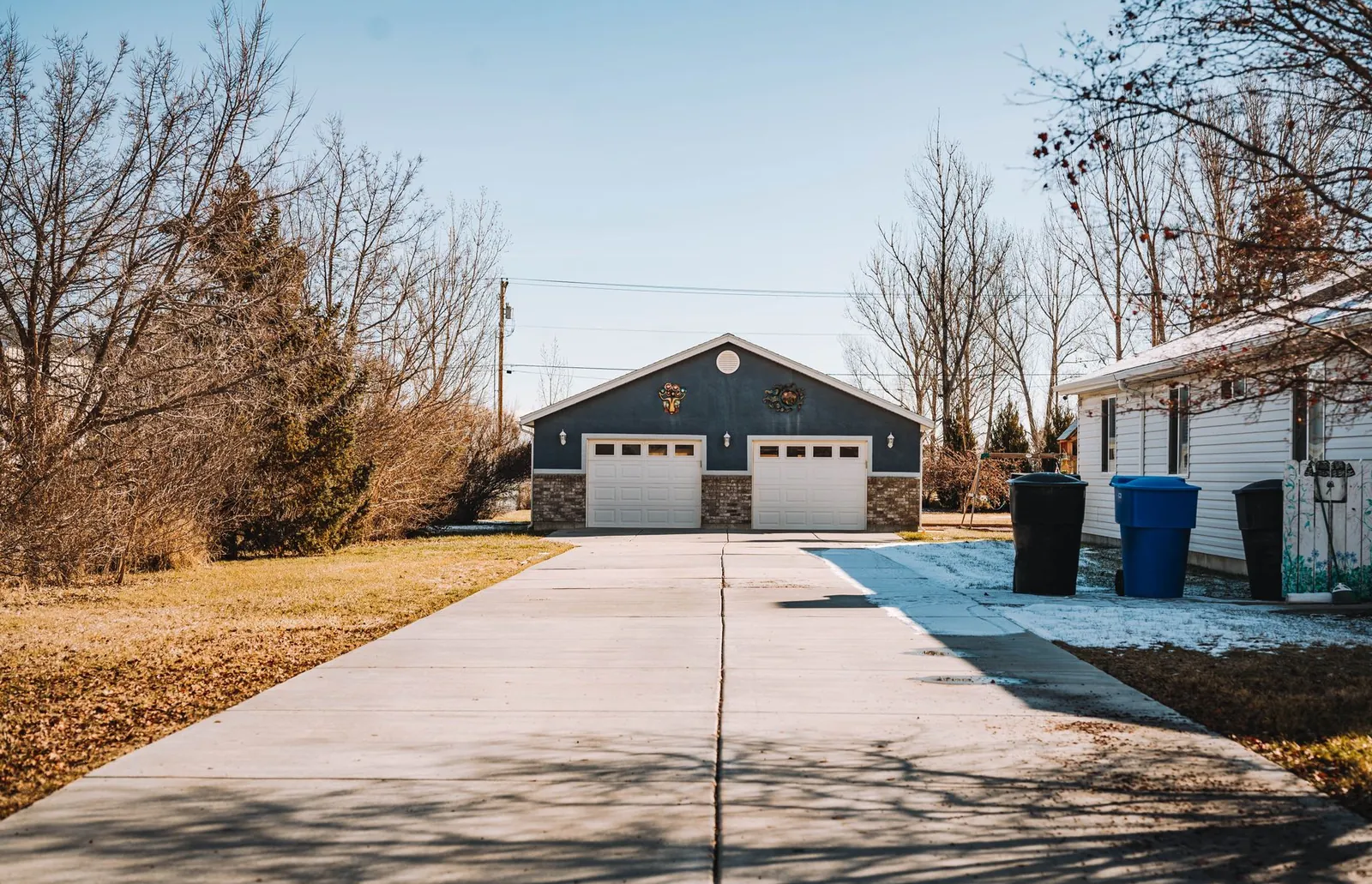
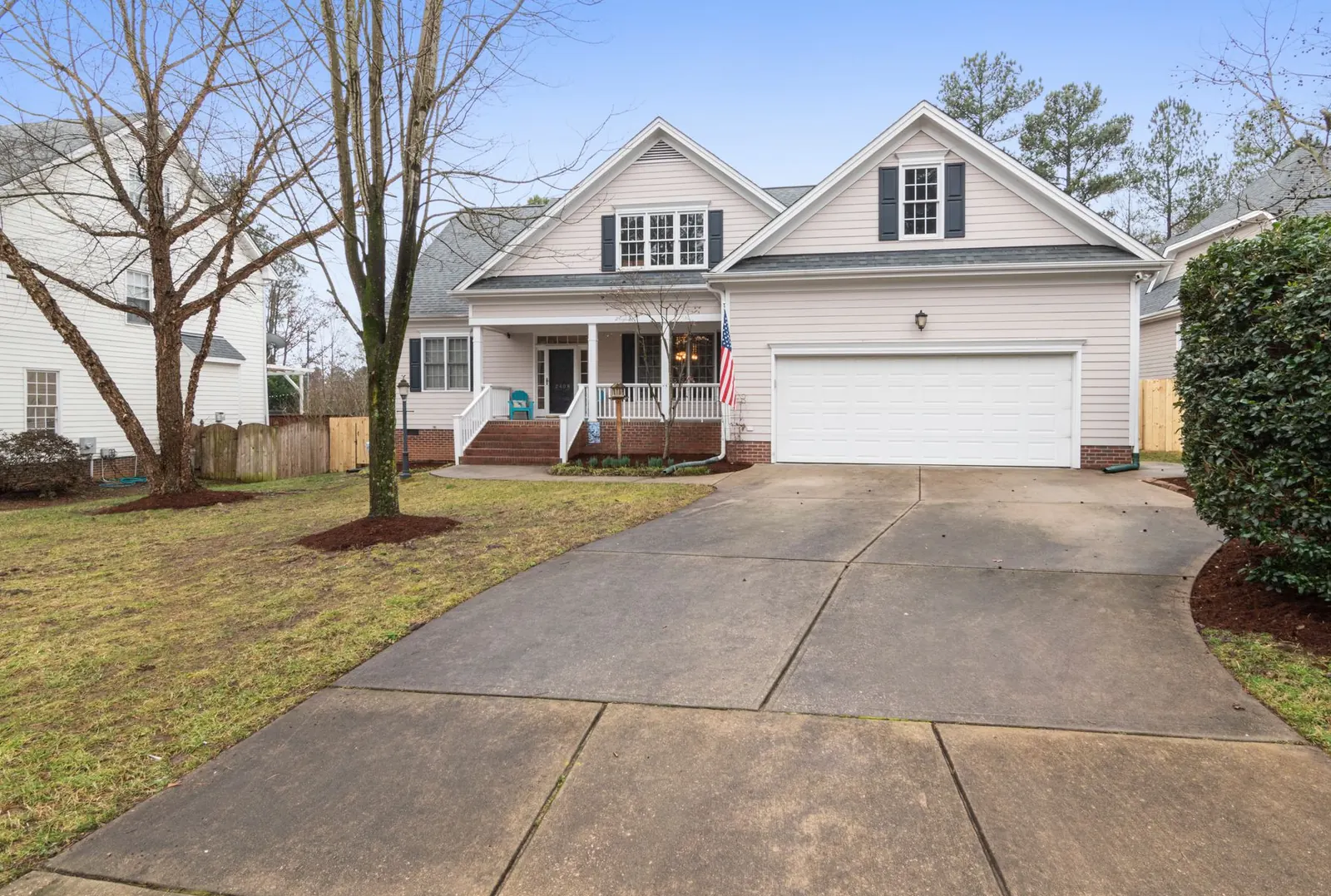
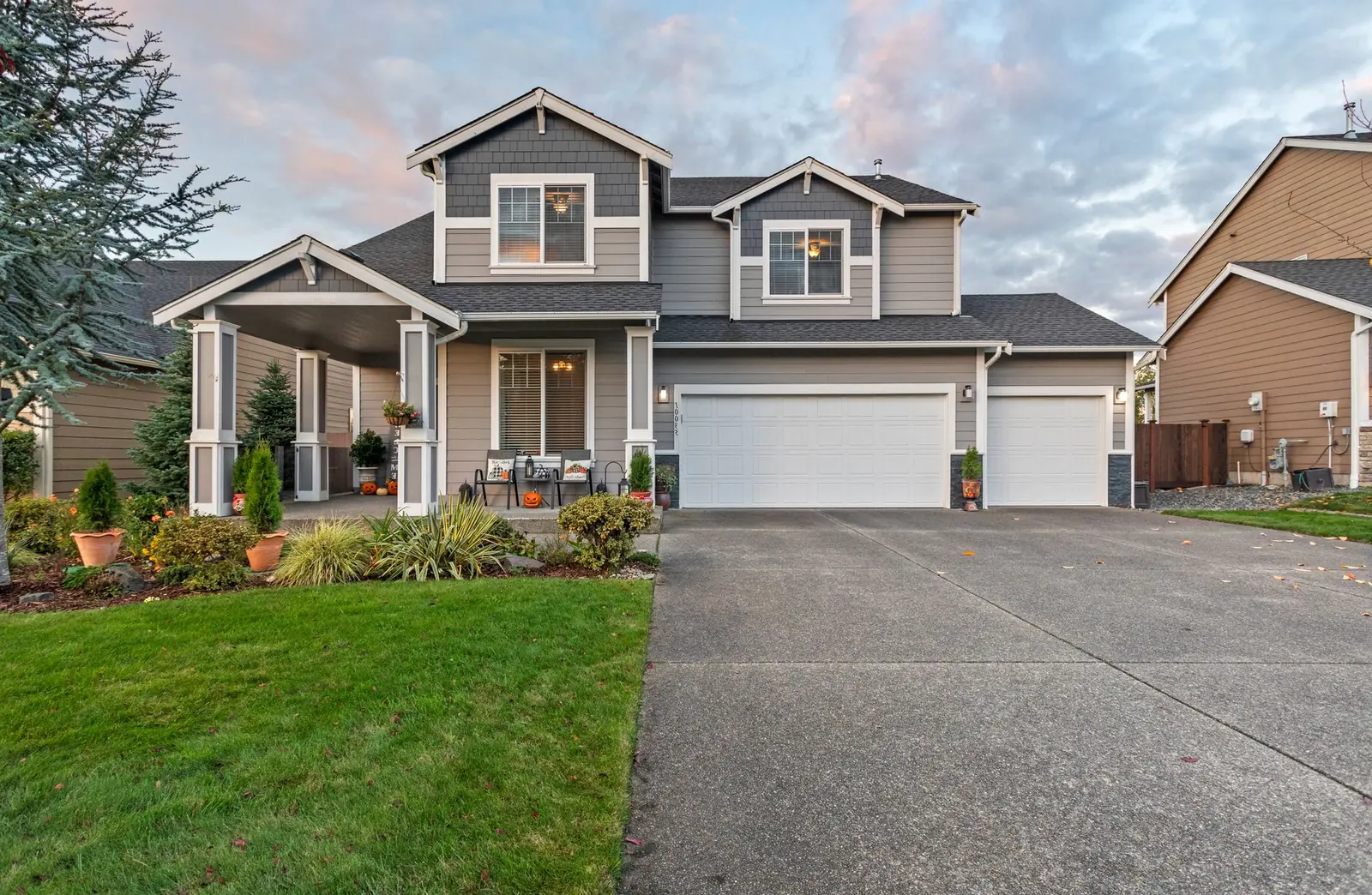
Concrete Driveways
New and replacement driveways, extensions, parking pads and aprons, with the base and thickness spelled out.
More on concrete driveways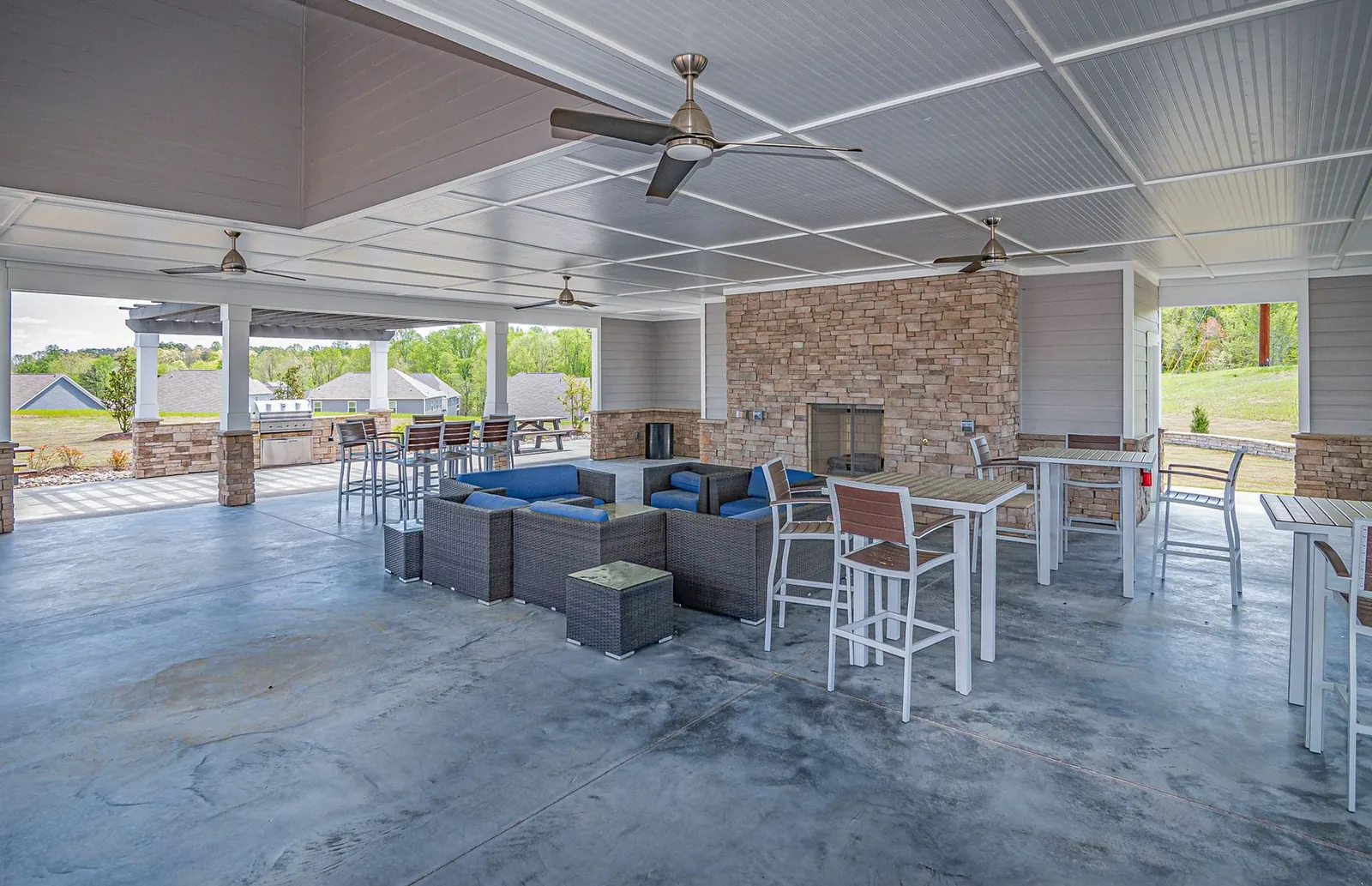
Concrete Patios
Broom finish, colored, stamped or exposed aggregate patios, sized for how you actually use the yard.
More on concrete patios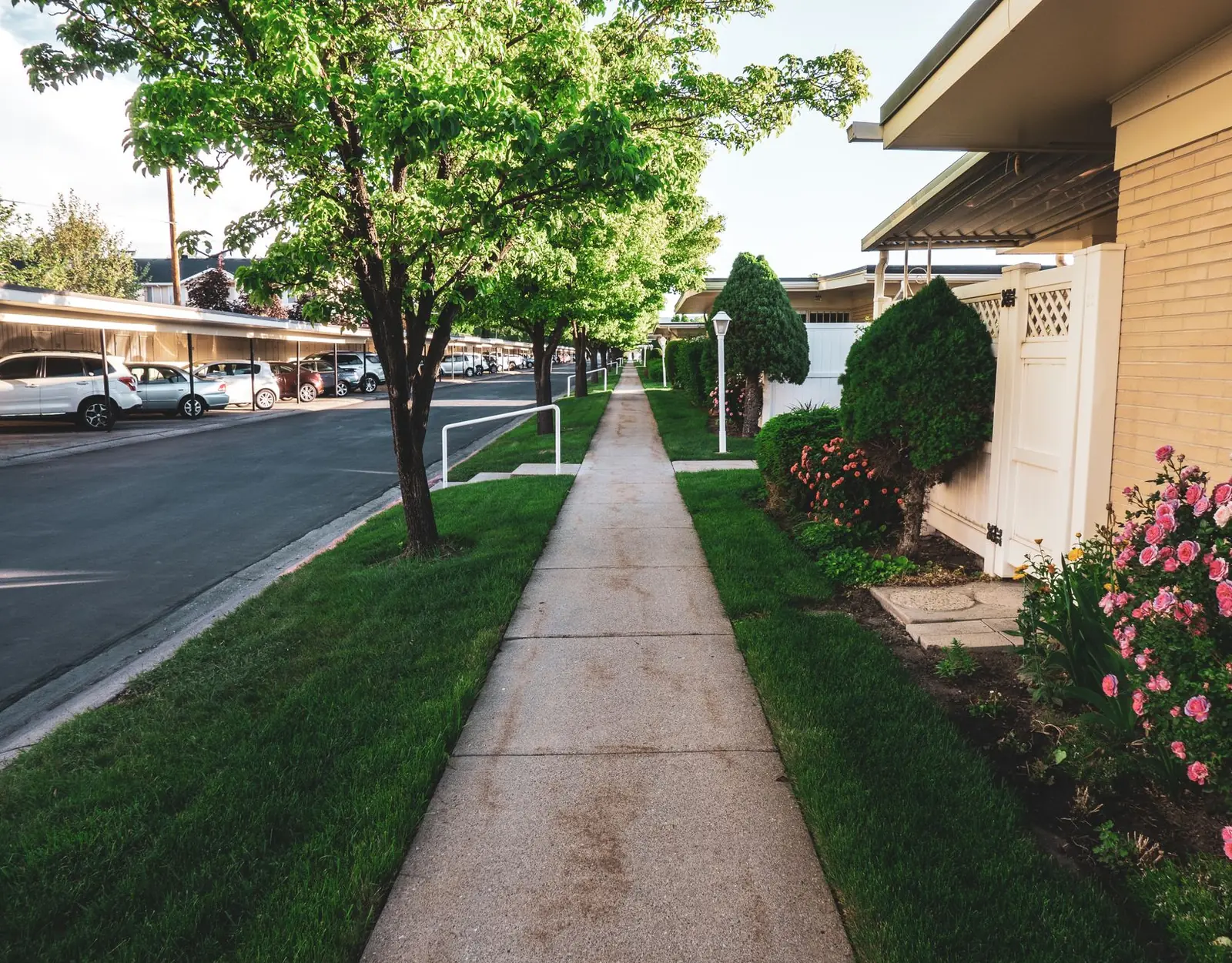
Sidewalks & Walkways
Front walks, side and back paths, and public sidewalk panels, formed to drain and finished for grip.
More on sidewalks & walkways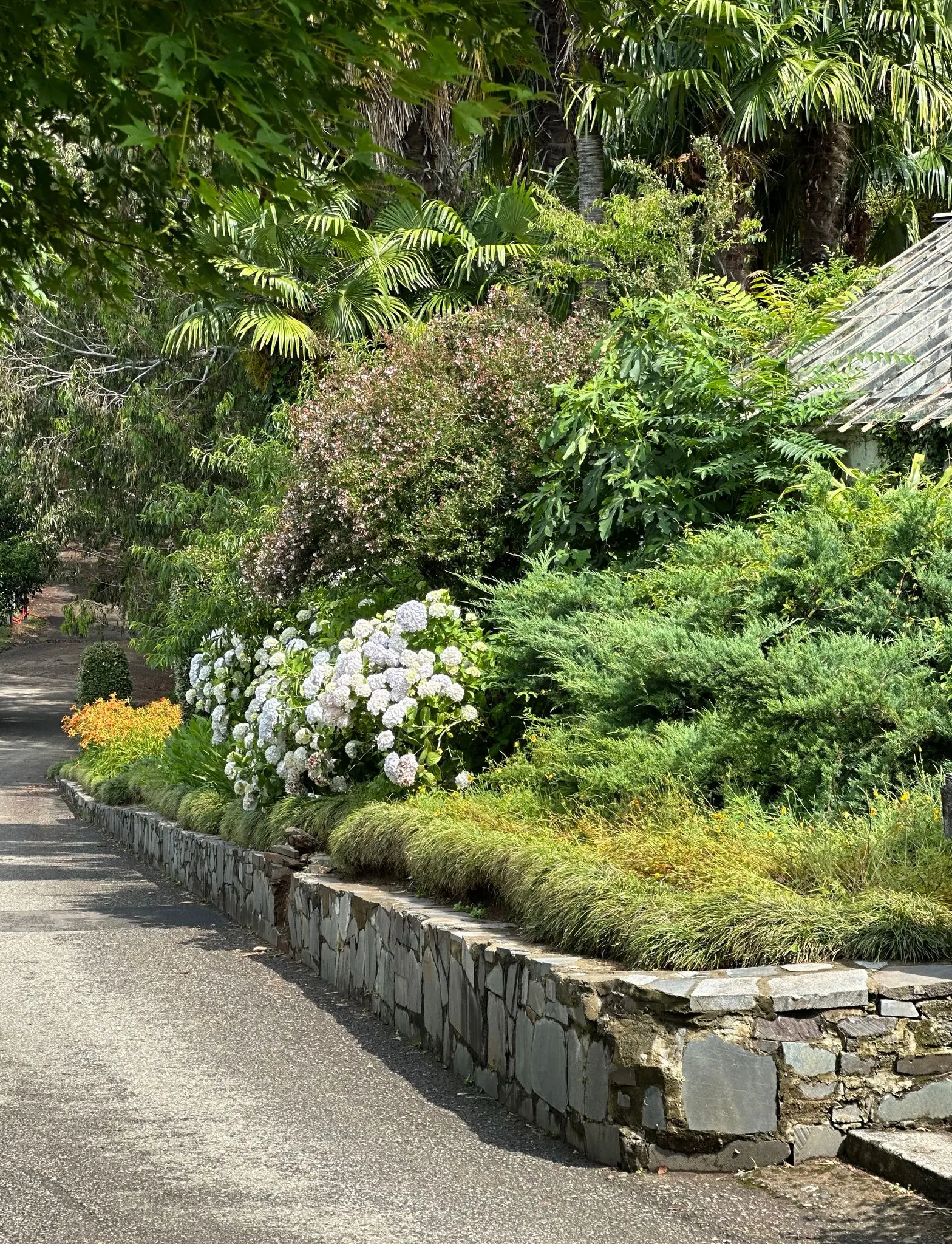
Retaining Walls
Segmental block and poured concrete walls that hold slopes, level yards and carry drainage behind them.
More on retaining walls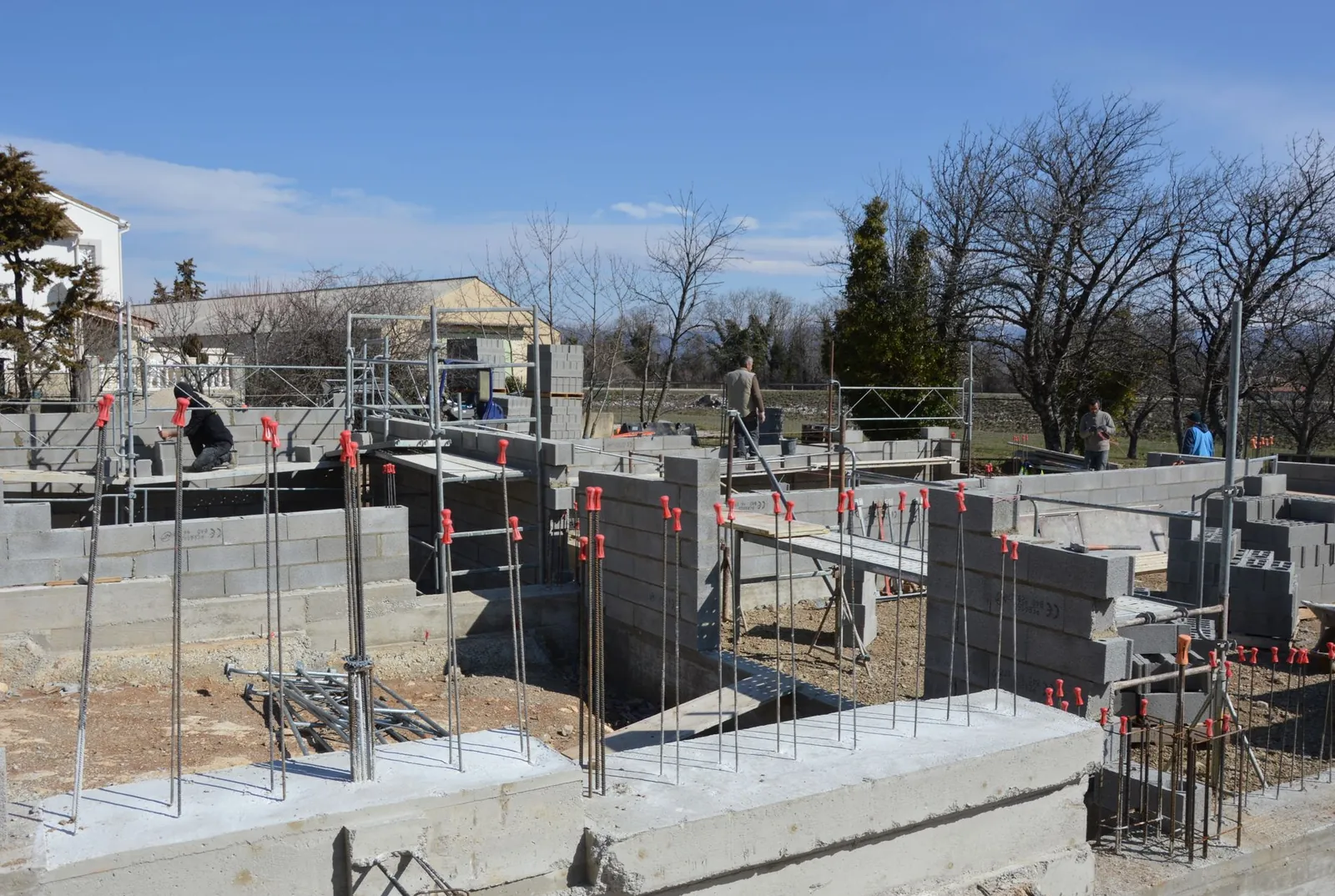
Foundations
Frost-depth footings, formed walls and floor slabs for homes, garages, additions and small buildings.
More on foundations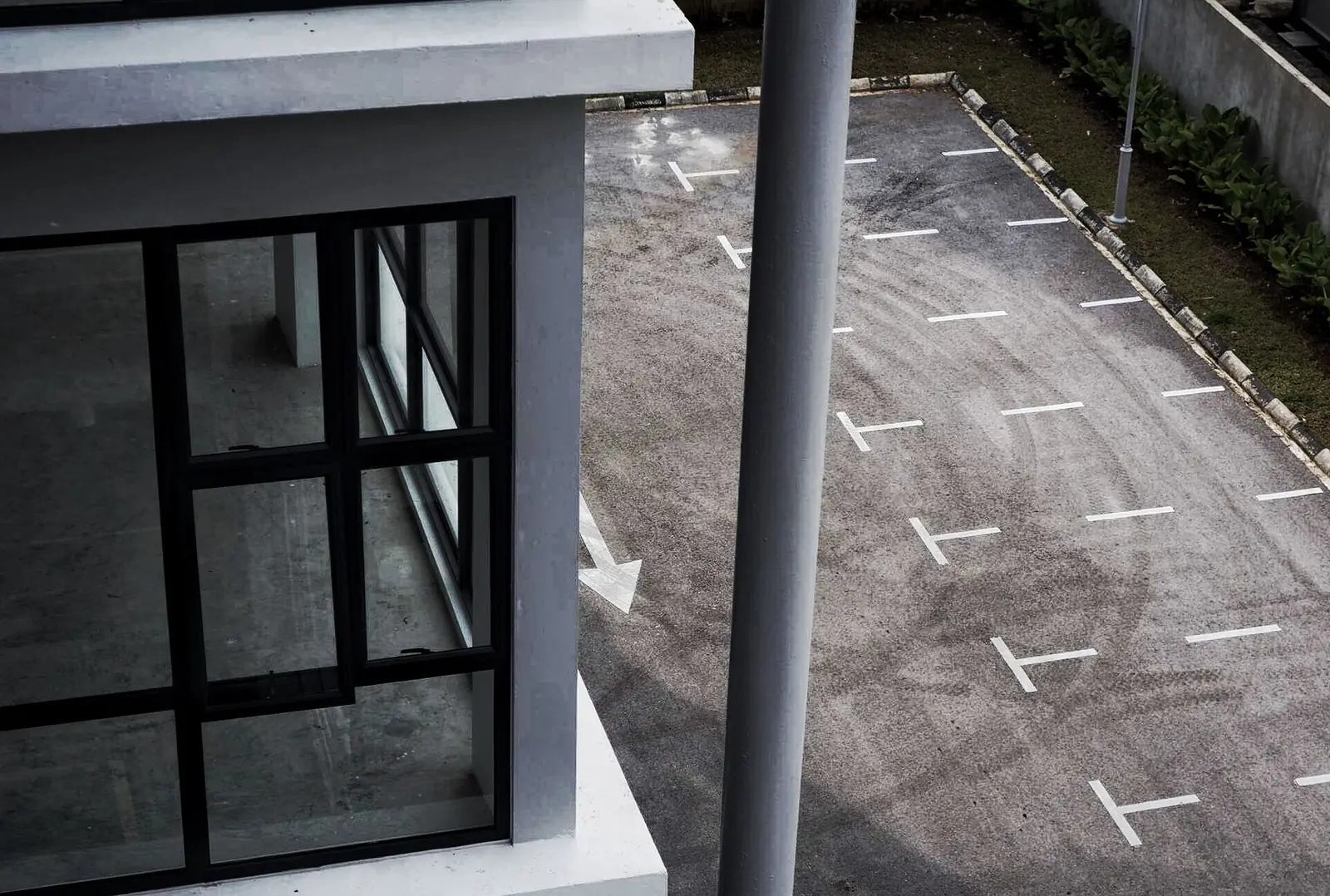
Commercial Concrete
Sidewalks, slabs, dumpster pads, curbs and gutters and concrete parking areas for businesses and HOAs.
More on commercial concrete
Examples
Driveways, walls and slabs, finished right
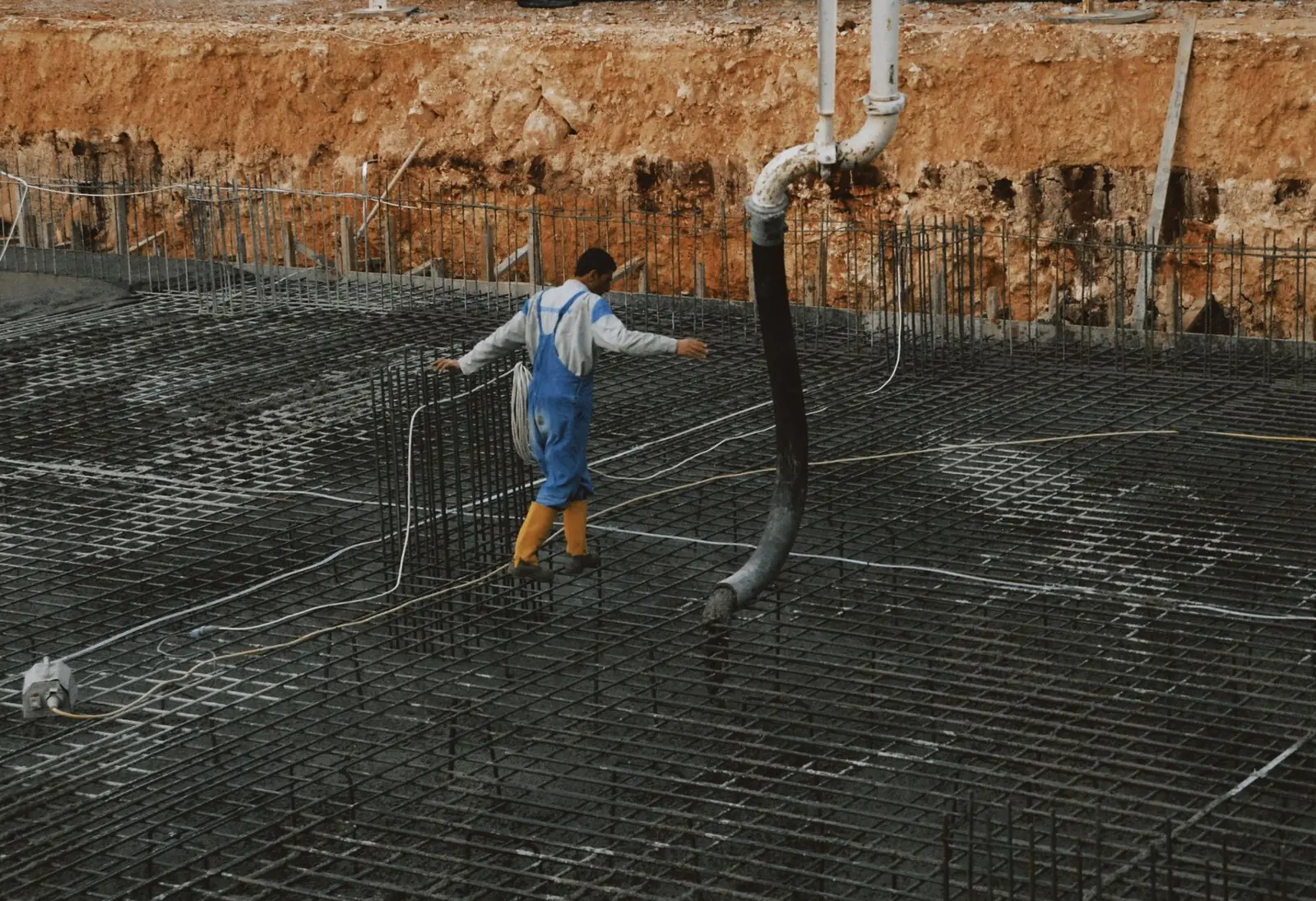
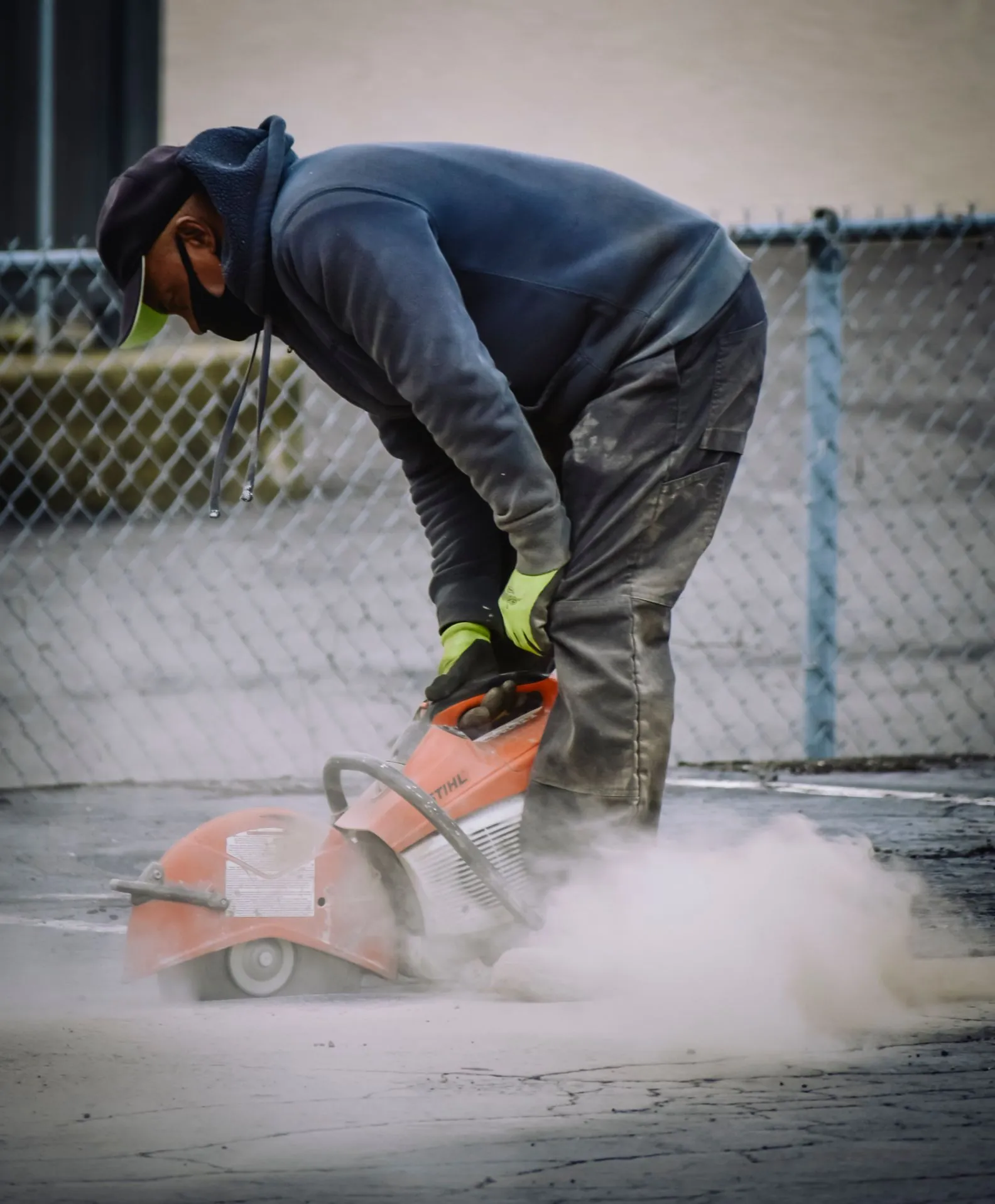
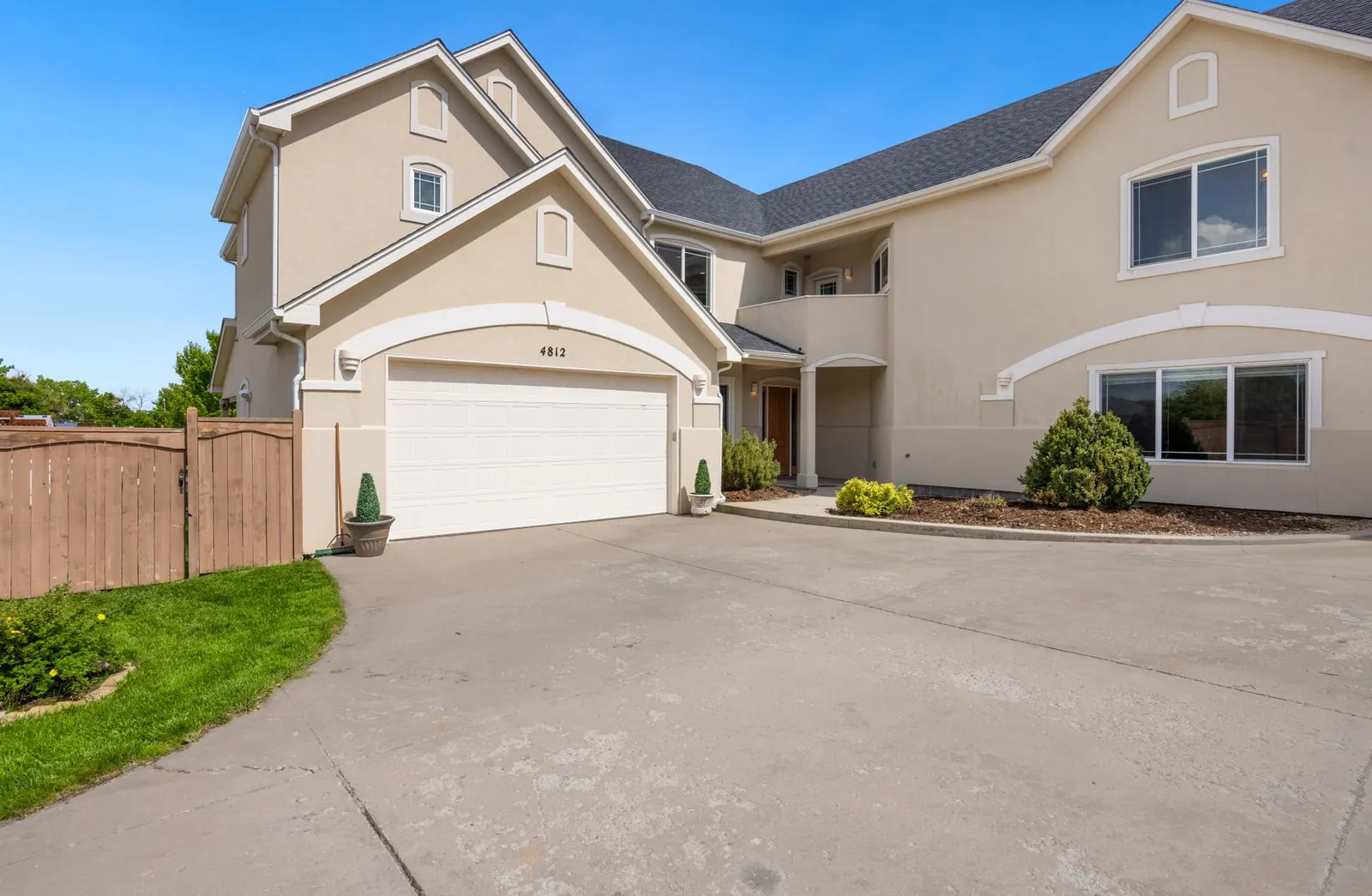
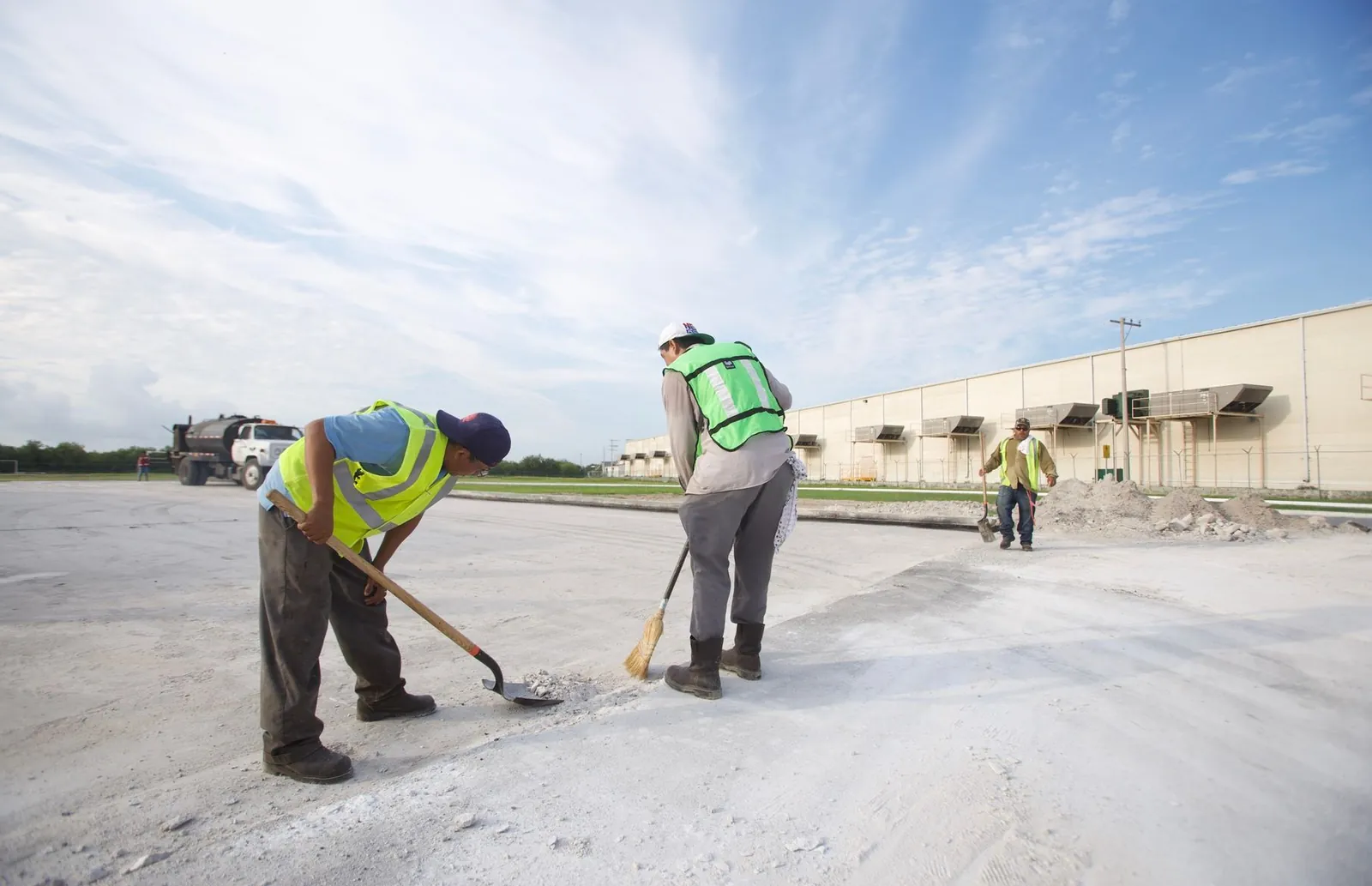
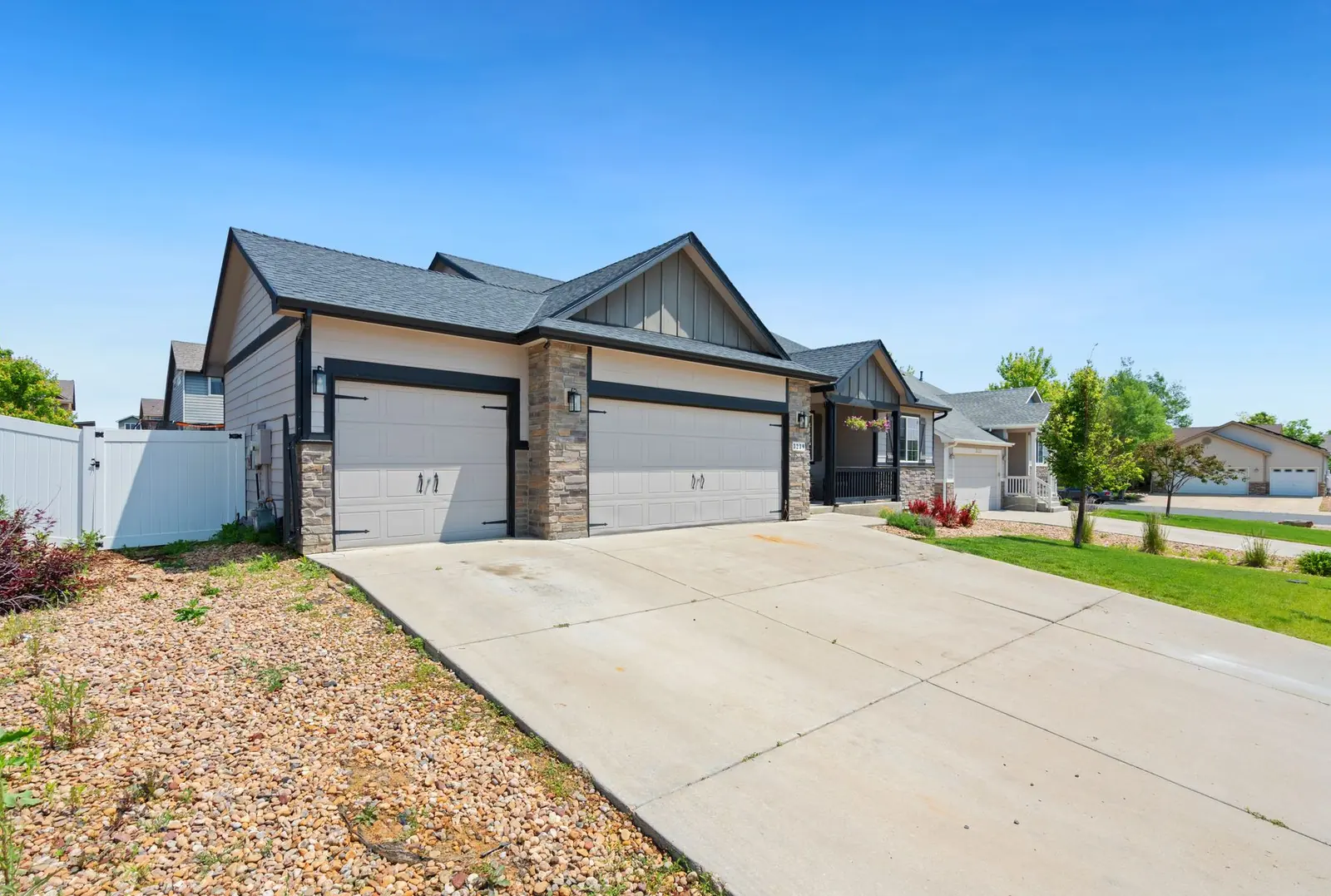
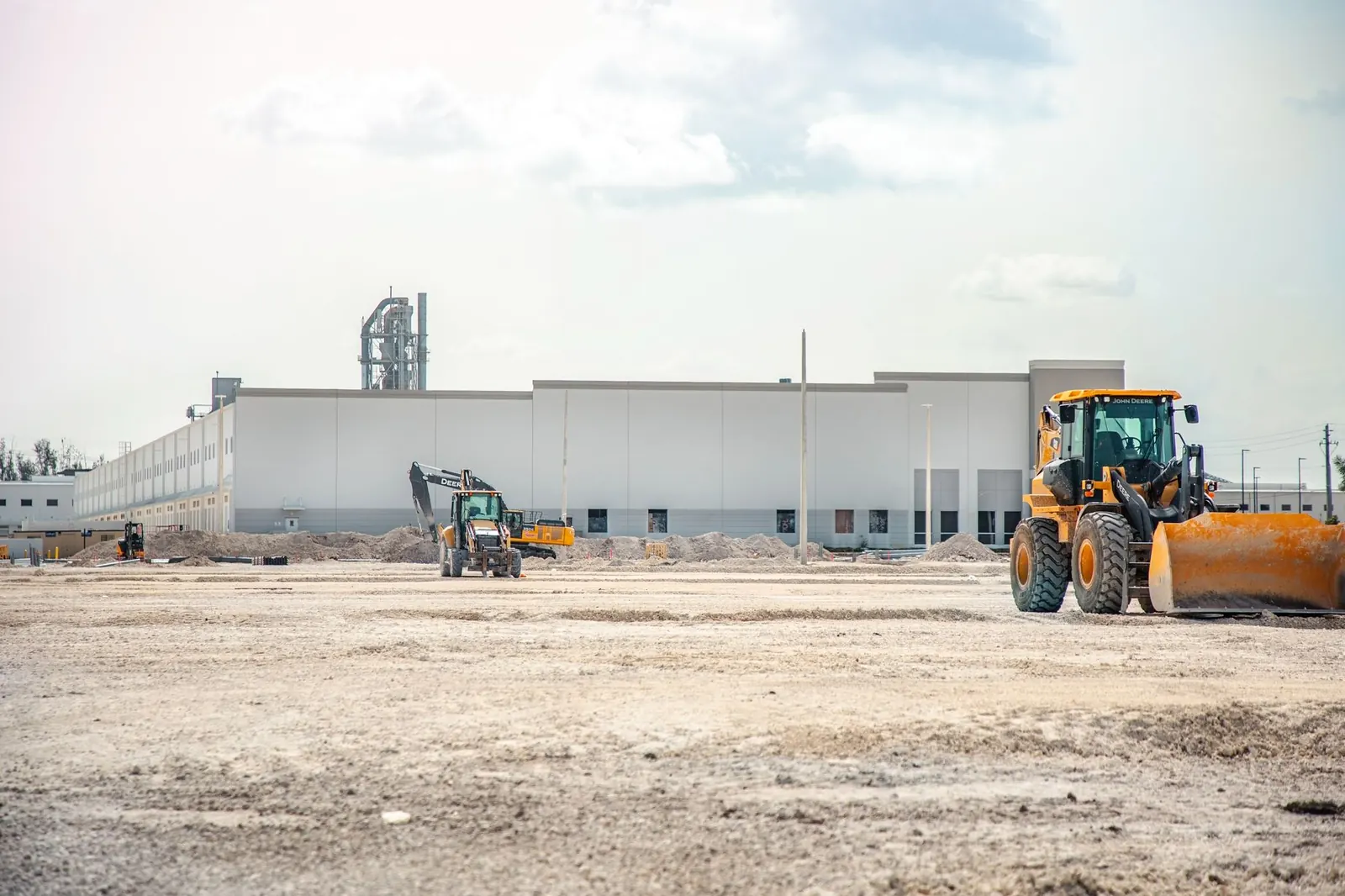
Example photos of the type of work.
How it works
How a concrete job goes together
- 1
Dig-out and subgrade
Old concrete, sod and soft soil come out to a set depth. The clay below gets checked and firmed so the base sits on something solid.
- 2
Base and forms
Crushed stone goes in and gets compacted in lifts. Forms are set to line and grade so water runs away from the house or building.
- 3
Steel and pour
Rebar or wire mesh rides on chairs in the middle of the slab, not on the dirt. The mix is placed, struck off, floated and finished.
- 4
Joints and cure
Control joints are tooled or saw-cut at a spacing that suits the slab. Then the concrete is kept from drying too fast while it gains strength.
Know-how
Four questions to ask any concrete contractor
- 01
How thick, and where?
A car driveway or patio is typically 4 inches, but an apron, a truck turnaround or an RV pad should be thicker, often 5 to 6 inches. Ask for the thickness of each area in writing, plus thickened edges where the slab carries weight.
- 02
What is going under it?
Ask how deep the dig-out goes and how much compacted gravel goes back in. On Central Ohio clay, the slab with a thin base or none is the one that heaves in February and sinks in August.
- 03
Where will the joints be?
Every slab cracks somewhere. Control joints spaced to the slab and cut deep enough tell it where. If an estimate never mentions joints, ask about them before you sign.
- 04
Who handles the permit and the 811 call?
Aprons and curb cuts in the right-of-way need a city permit, and walls, foundations and commercial jobs often need one too. Someone also has to call 811 so buried utilities get marked. Settle who does both before the dig date.
Service area
Serving Columbus and 31 towns around it
We take concrete work from Powell and Westerville down to Lockbourne and Commercial Point, and from Harrisburg across to Pataskala. Pick a town to see what we build there.
Franklin County
Pickaway County
Fairfield County
Delaware County
Licking County
Questions
Straight answers before you hire
Will new concrete hold up to Ohio winters?
It will if it is built for them. That means an air-entrained mix, whose millions of microscopic air pockets act as relief valves when trapped water freezes, plus slope so water drains off and a base that does not hold it underneath. Keep rock salt off new concrete its first winter, and consider a penetrating sealer against the salt your car drags home from the road.
Do I need a permit for concrete work in Columbus?
It depends on the work and the town. A new apron or curb cut in the public right-of-way needs a permit from Columbus or whichever suburb you live in, and foundations and taller retaining walls usually need one as well. HOAs often want to sign off on materials first. Before anybody digs, 811 gets called so underground lines are marked.
How much does concrete work cost?
There is no honest flat number until someone measures. Price comes from square footage, thickness, how much old concrete or soil has to come out, access for the truck or a pump, reinforcement, finish and permits. The free estimate puts each of those on paper so two quotes can be compared line by line.
Which towns do you work in?
Columbus and the 31 towns around it, including Dublin, Hilliard, Grove City, Westerville, Gahanna, Reynoldsburg, Pickerington, Canal Winchester, Worthington, Upper Arlington, Bexley and New Albany, plus villages like Lithopolis, Riverlea and Brice. The full list is on the service areas page.
How long does a concrete job take?
A typical driveway or patio is a few days of tear-out, base and forms, then a pour day. You can walk on it in a day or two and drive on it after about a week, and it keeps gaining strength for about four weeks. Walls, foundations and commercial jobs run on their own schedules. Most flatwork goes in between spring and late fall.
Do you do both residential and commercial work?
Yes. The same rules apply to a patio behind a ranch house and a dumpster pad behind a strip center: a solid base, the right thickness for the load, joints and drainage. Commercial jobs add plans, inspections and working around business hours.
What should a concrete estimate spell out?
Area and thickness, how deep the dig-out goes and how much gravel goes back, the reinforcement, the joint layout, the finish, who pulls permits and how the old material leaves the site. When two estimates differ a lot, one of those lines is usually the reason.
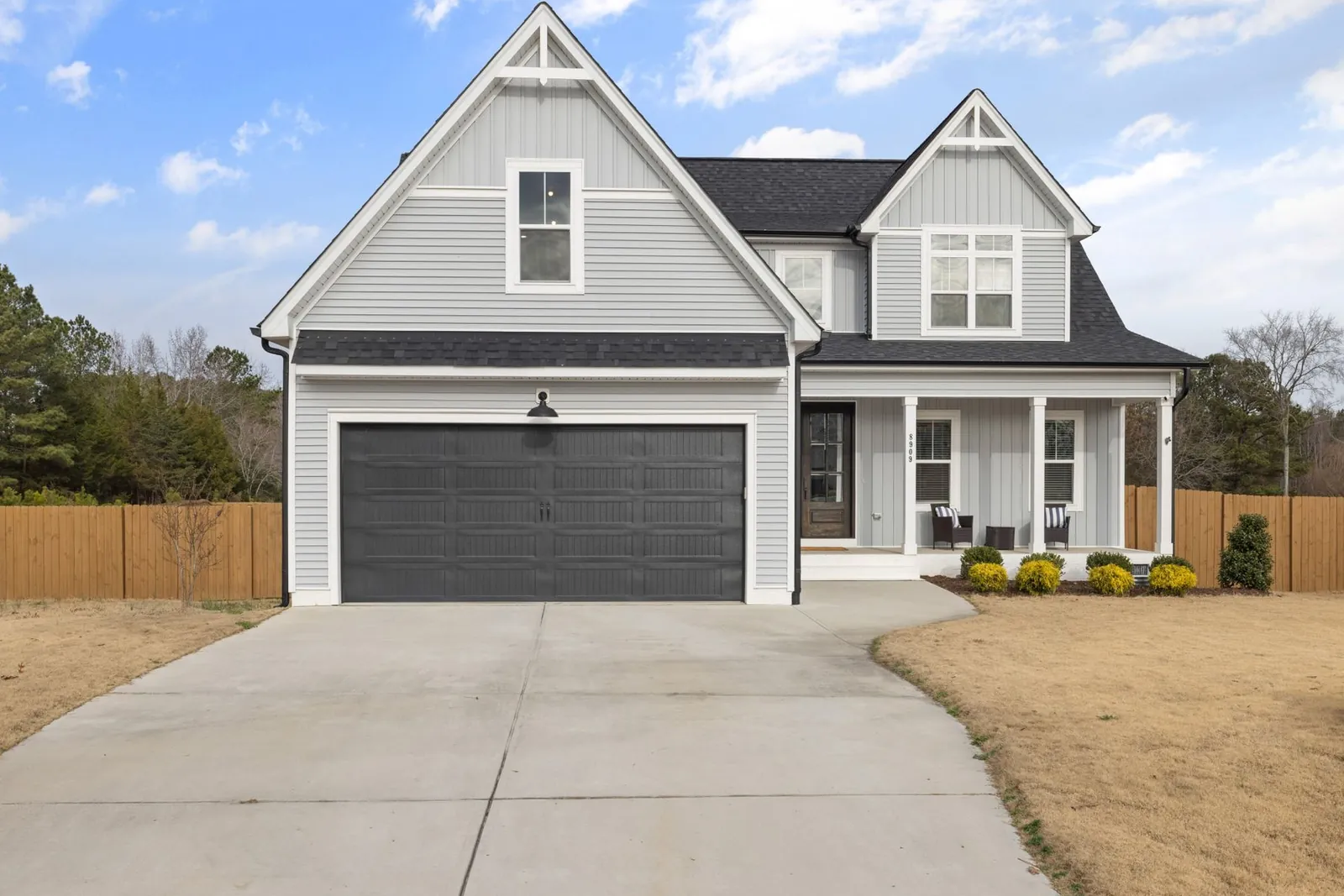
Have a concrete job in mind?
Tell us what you want built and where, and the contractor will call to set up a free estimate.